Eliminating tuition fees for students, more “nurse tech,” and nurses as key figures in the digital transformation. That’s what the healthcare sector needs right now, according to Bianca Buurman.
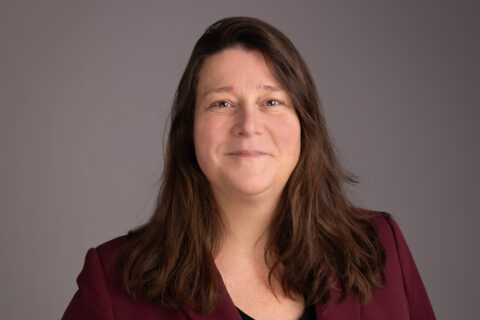
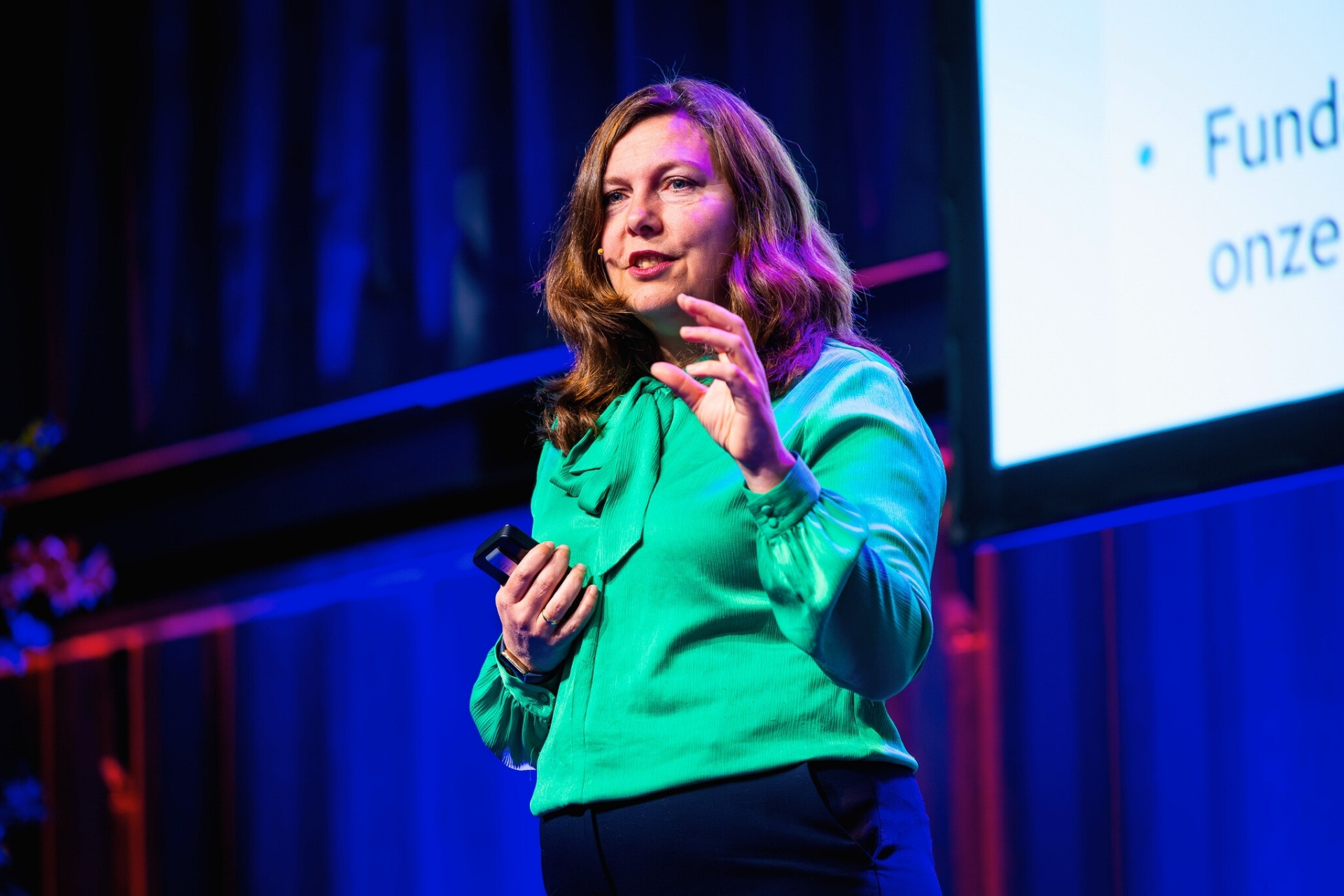
There is a growing care gap in the Netherlands. In her keynote, Bianca Buurman, president of professional association V&VN and professor of acute elderly care, outlines a disturbing perspective: in 2034 we are heading for a shortage of 260,000 healthcare professionals. Of these, 60 percent will be nurses or caregivers.
To close the care gap, demand for care would need to decrease on one hand. This can be achieved through greater self-management and better coordination of care that can be provided at home. Because “with every transition between care systems, information is lost. And people get lost in our complex healthcare system.”
At the same time, much more attention needs to be paid to training and retaining healthcare professionals. “But that does mean we have to make fundamental choices. And that’s not happening enough right now. I mentioned this recently in an interview: in the future, do you want the pizza to arrive on time, or do you want the ambulance to arrive on time?”
Essential professions
The V&VN chair sees a number of important steps to achieve this. “We need to do much more to guide students toward essential professions, whether in healthcare, technology, or safety. These are the fundamental professions that society needs.” For example, V&VN is collaborating with Techniek Nederland to achieve this. “One idea to consider is eliminating tuition fees.”
Technology in Nursing Education
At the same time, according to Buurman, digital technology should receive much more attention in nursing education. It should be one of the cornerstones. For example, through simulation-based training and VR headsets. “It shouldn’t be all-encompassing, but technology can support and empower nurses in their profession, allowing them to focus on what really matters: that warm, person-centered care.”
More “nurse-tech”
The nurse of the future will be the guide to getting the right information, and they must therefore also understand how healthcare technology works, Buurman believes. "We need to think about more 'nurse-tech,' and we need more people who can bridge the gap between digitization and care."
Changes aren’t limited to nursing education. Buurman advocates for positioning nursing much more strongly as a key player in the digital transformation of healthcare. To that end, she refers to the “shared governance model.” “In this model, everyone—the nursing council, the medical staff, and the board of directors—works together to think about the future of healthcare and makes decisions about it collectively.”
Chief Nursing Information Officers
The increasing number of chief nursing information officers is a good example. Many hospitals have that position, but a lot can still happen in VVT and disability care in that regard. "As a result, you see that development at the intersection of nursing care and digitization is much slower."
A Voice
Giving nurses and caregivers more say is also important from the perspective of retaining staff. That is why V&VN has committed to the national action plan on employee participation. “Time and again, you see that in organizations that invest in this empowerment, the quality of care improves and the intention to leave decreases.”
Several places around the country are already making great strides, Buurtman says. Aunt Louise is an example, as is Create4Care, where nurses and engineering students work together.
Nurses can be the engine of care transformation, is Buurman's belief. That's what V&VN is going to be fully committed to. "There are a lot of us," Buurman emphasizes, "so investing in this is really going to pay off!"